Darknet Markets 2026:
The dark web is part of the deep web but is built on darknets: overlay networks that sit on the internet but which can't be accessed without special tools or software like Tor. Tor is an anonymizing software tool that stands for The Onion Router — you can use the Tor network via Tor Browser.
| Darknet Market | Established | Total Listings | Link |
|---|---|---|---|
| TorZon Market | 2022 | 140+ | Onion Link |
| Nexus Market | 2024 | 600+ | Onion Link |
| Abacus Market | 2022 | 100+ | Onion Link |
| Ares | 2026 | 100+ | Onion Link |
| Cocorico | 2023 | 110+ | Onion Link |
Updated 2026-10-27
How Darknet Markets Make Shopping Safe and Simple
The operational security of a darknet marketplace is fundamentally built upon a dual-layer system of encryption and cryptocurrency. This combination creates a practical environment for safe and anonymous shopping by systematically separating transactional identity from physical identity.
All communications between users and the marketplace are routed through The Onion Router (Tor) network, which encrypts data multiple times and passes it through volunteer relays. This process obscures the user's IP address, making it extremely difficult to trace the origin or destination of a connection. Within this anonymized channel, further encryption secures the content. Buyers and sellers use PGP encryption for all sensitive messaging, such as exchanging shipping details. This ensures that even if platform messages are intercepted, only the intended recipient with the correct private key can decrypt the information.
The financial layer relies on cryptocurrencies like Bitcoin and Monero. These digital currencies enable pseudonymous value transfer without involving traditional financial institutions. Transactions are recorded on a public ledger, but the identities behind the wallet addresses are not inherently linked to real-world identities. To enhance privacy, users employ techniques such as:
- Using a new wallet address for each transaction
- Utilizing built-in marketplace tumbler services that mix coins
- Opting for privacy-focused coins like Monero, which obfuscates transaction details by default
The marketplace itself facilitates security through an escrow system. When an order is placed, the buyer's cryptocurrency is held in escrow by the marketplace. The funds are only released to the seller once the buyer confirms receipt of the goods. This mechanism builds trust between anonymous parties and reduces the risk of fraud. The entire processfrom browsing listings with an encrypted connection to finalizing a deal with encrypted data and cryptocurrencycreates a coherent and efficient model for discrete commerce. The integration of these technologies demonstrates how complex systems can be simplified into a reliable user experience for anonymous trade.
Private Shopping with Encryption and Escrow
The operational security of a darknet marketplace is fundamentally built upon a layered model of encryption. This begins at the point of access, where the Tor network obfuscates a user's IP address and the location of the marketplace itself. All communications between buyers and sellers are then secured using end-to-end encryption, typically facilitated by the marketplace's internal messaging system. This ensures that order details, shipping addresses, and dialogue remain private and unreadable to anyone except the intended recipient, creating a confidential channel for commerce.
Financial anonymity is achieved through the mandatory use of cryptocurrency, primarily Bitcoin or Monero. Transactions are not linked to real-world identities, and the decentralized nature of blockchain technology removes traditional financial intermediaries from the process. To further enhance security, funds are not sent directly to the seller. Instead, they are held in a multisignature escrow system controlled by a smart contract. This requires two of three possible keys to release the payment: one held by the buyer, one by the seller, and one by the marketplace. This mechanism protects both parties, ensuring the seller only receives payment upon confirmed delivery and the buyer can initiate a dispute if the product does not arrive.
The integration of these technologies creates a self-contained ecosystem for safe and anonymous shopping. The process is streamlined:
- A buyer selects a product from a vendor with a strong user review history.
- Funds are placed into escrow, and the encrypted shipping details are shared.
- Upon delivery, the buyer finalizes the order, triggering the escrow to release funds to the seller.
- An optional final step involves the buyer leaving detailed feedback, which continuously reinforces the marketplace's reputation system and allows for reliable vendor selection based on collective experience.
This model demonstrates how cryptographic tools and decentralized finance are combined to facilitate secure, peer-to-peer trade. The escrow system acts as a neutral arbiter, while encryption guarantees privacy, allowing the marketplace to function on principles of verified trust and transactional security without external oversight.
How Crypto Makes Buying Drugs on the Darknet Safe and Easy
The integration of cryptocurrency is fundamental to the operational security and success of darknet marketplaces. These digital currencies, primarily Bitcoin and Monero, provide a financial layer that aligns perfectly with the need for anonymity and reduced traceability. Transactions are recorded on a public ledger, the blockchain, but the identities of the parties involved are concealed behind cryptographic addresses. This creates a financial environment where value can be transferred globally without the direct involvement of traditional banking institutions, which require personal identification and are subject to regulatory oversight.
To further enhance security, marketplaces employ a multi-signature escrow system. In this model, the buyer's cryptocurrency is held in a secure, third-party wallet controlled by a smart contract. The funds are only released to the seller once the buyer confirms satisfactory receipt of the goods. This mechanism effectively mitigates the risk of fraud by removing the need for either party to fully trust the other. It automates the role of a neutral arbitrator, ensuring that payment is secure until the transaction terms are met. The process typically follows these steps:
- The buyer initiates an order and sends payment to the multi-signature escrow address.
- The seller is notified and ships the product.
- Upon delivery, the buyer finalizes the order, releasing the funds from escrow to the seller.
- If a dispute arises, a marketplace moderator can intervene to resolve the issue and distribute the funds fairly.
Beyond the transaction itself, the combination of cryptocurrency and end-to-end encryption for all communications ensures comprehensive privacy. Every message between users, from order details to shipping information, is encrypted so that only the intended recipient can read it. Even the marketplace administrators cannot access the content. This layered approachanonymous cryptocurrency payments for financial privacy and strong encryption for communication privacycreates a robust framework for safe and discreet commerce. The system demonstrates how cryptographic tools can be leveraged to build trust and facilitate efficient trade in an environment where conventional identifiers are absent.
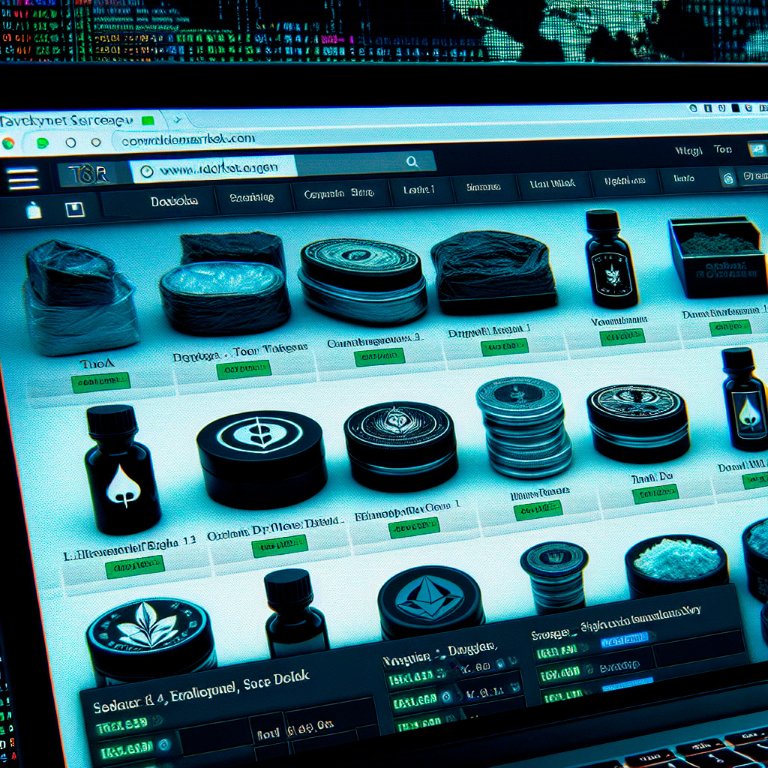
How Direct Shipping Keeps Darknet Deals Safe and Simple
The logistical model of direct shipping is a cornerstone of darknet marketplace efficiency. This system eliminates centralized warehouses, reducing a critical point of failure and operational risk. Sellers act as independent distributors, managing their own inventory and dispatch from concealed locations. This decentralization makes large-scale interdiction by external actors significantly more challenging, as there is no single stockpile to target.
Packaging and stealth are paramount in this phase. Vendors invest considerable effort into developing discreet packaging methods that bypass standard inspection protocols. Parcels are designed to appear as ordinary mail, using common materials and false return addresses. The contents are further secured with vacuum sealing and mylar bags to contain odors, a primary method of detection by scanning systems. Advanced vendors may employ decoy items or use layered packaging to obscure the true product during manual inspection.
The shipping process itself leverages existing national and international postal infrastructure, blending seamlessly with legitimate traffic. Customers are often provided with tracking numbers once the item is dispatched, allowing for order monitoring without compromising the anonymity of either party. This direct seller-to-buyer channel, protected by the initial anonymity of cryptocurrency payment and encrypted communication, completes a secure commercial loop. It demonstrates a sophisticated adaptation of standard e-commerce fulfillment principles, optimized for privacy and security within the darknet ecosystem.
How Reviews Make Buying on the Darknet Safer
User review systems on darknet marketplaces function as the primary mechanism for establishing vendor credibility and transactional security in an environment devoid of traditional legal recourse. These systems leverage cryptographic verification to ensure authenticity, as only users who have finalized a transaction through the platform's multisignature escrow can leave feedback. This process prevents artificial inflation of ratings.
The review structure typically includes several scored criteria and a written evaluation. Common metrics are:
- Product quality matching the advertisement
- Stealth and professionalism of packaging
- Shipping speed and reliability
- Communication efficiency with the vendor
This detailed feedback creates a transparent reputation economy. Vendors with consistently high ratings gain trusted status, which directly correlates with increased sales volume. The system incentivizes honest business practices, as negative reviews regarding product purity or scams are permanently recorded and visible to all potential buyers. This collective intelligence mitigates the risk for individual shoppers, transforming anonymous transactions into a community-vetted process. The integration of these reviews with encrypted messaging and cryptocurrency payments completes a secure loop where trust is algorithmically built and maintained, reducing the need for interpersonal familiarity.

How Escrow Makes Buying Safer on the Darknet
Escrow services are a fundamental component of trust on a darknet marketplace, acting as a neutral third party that holds a buyer's cryptocurrency payment until the transaction is satisfactorily completed. This mechanism directly addresses the inherent risk of anonymous trade where direct, prepaid deals could lead to fraud. The process begins when a buyer places an order and sends the payment to a marketplace-controlled escrow wallet. The funds are locked there, and the seller is notified to ship the product. Only after the buyer receives the order and confirms its validity do they release the funds from escrow to the seller.
The security of this escrow process is underpinned by cryptographic commitments and the transparent nature of the blockchain. The marketplace's multisignature (multisig) technology often enhances the model, requiring two out of three cryptographic keys to release the fundsone held by the buyer, one by the seller, and one by the marketplace. This design prevents any single party from acting maliciously without consensus. The system incentivizes honest conduct: sellers are assured of payment for fulfilled orders, and buyers are protected from losing funds for goods never shipped. User review systems function in tandem with escrow, providing a reputational layer that further discourages poor behavior, as consistent negative feedback makes future trade difficult.
Effective dispute resolution emerges naturally from this structure. If a buyer claims an order never arrived or was not as advertised, they can open a dispute. Marketplace moderators, acting as arbitrators, examine the evidence provided by both parties, such as shipping proof or product photos. Their decision to release the escrow funds to the seller, return them to the buyer, or split them accordingly is final and enforced by the smart contract or administrative control of the escrow wallet. This creates a self-contained private e-commerce logistics and justice system that operates without traditional intermediaries, ensuring reliable anonymous trade based on cryptographic proof and community-driven accountability.
How Darknet Markets Use Encryption and Crypto for Safe Shopping
The operational security of darknet marketplaces is fundamentally built upon a dual-layer system of encryption and cryptocurrency. This combination directly enables safe and anonymous shopping by separating user identity from transactional activity. The process begins with platform access through Tor or similar anonymity networks, which encrypts connection data, masking a user's location and IP address.
Once on a marketplace, all communications between buyers and sellers are secured with end-to-end encryption. This means messages, order details, and shipping information are scrambled and can only be read by the intended recipient, preventing interception. For financial transactions, cryptocurrencies like Bitcoin or Monero are used exclusively. These digital currencies function on decentralized public ledgers, providing a payment method that is not tied to personal bank accounts or identities.
The transaction flow integrates these elements:
- A buyer places an order, with details protected by the marketplace's encrypted messaging system.
- Payment is sent to a secured multisignature escrow wallet, where coins are held until order completion.
- Only after the buyer confirms receipt does the escrow release the funds to the seller.

How Darknet Markets Handle Buyer and Seller Disputes
Dispute resolution on darknet marketplaces operates through a decentralized model that removes traditional intermediaries. The process is initiated when a buyer reports an issue, such as not receiving an item or receiving a product that does not match the listing description. The system then automatically places the cryptocurrency funds held in escrow into a locked state, preventing the seller from accessing them until the dispute is settled.
Both parties are required to submit evidence to support their case. This evidence typically includes:
- Encrypted message logs from the marketplace's internal system.
- Transaction hashes from the blockchain to prove payment.
- Photographic or video evidence of the product or packaging.
This mechanism creates a self-policing environment. The final ruling results in the escrow funds being automatically released to the winning party through the smart contract or admin action. This system effectively minimizes fraud by incentivizing honest conduct, as a lost dispute damages a user's reputation and future sales potential, proving that secure and reliable commerce can function without centralized authorities.
How Encryption and Crypto Make Darnet Drug Trade Safe and Smooth
The operational security of a darknet marketplace is fundamentally built upon the integration of encryption and cryptocurrency. This combination creates a secure environment for commerce by separating a user's identity from their financial transactions and communications. Every interaction, from browsing listings to finalizing a deal, is protected by layers of cryptographic protocols.
Communication on these platforms relies on end-to-end encryption, often facilitated by integrated PGP systems. This ensures that messages between buyer and seller remain private and cannot be intercepted or read by the platform itself or external parties. The marketplace acts only as a routing service for these encrypted packets of data.
The financial layer is secured through the use of decentralized cryptocurrencies like Bitcoin or Monero. These currencies enable pseudonymous value transfer without the need for traditional banking infrastructure, which requires personal identification. Transactions are recorded on a public ledger, but the identities behind the wallet addresses are not inherently linked to real-world individuals.
The process is streamlined:
1. A user accesses the marketplace via Tor or similar anonymity networks.
2. All listings and user accounts are protected by the platform's encryption.
3. Orders are placed and discussed using the encrypted messaging system.
4. Payment is made to a multisignature escrow wallet, releasing funds only upon successful delivery.
5. The entire financial loop is completed with cryptocurrency, leaving no direct paper trail linking the parties.
This model demonstrates that anonymous trade can be both reliable and efficient. The technological framework of encryption and crypto provides the necessary trust and security for transactions to proceed smoothly, based on the cryptographic guarantees of the systems rather than the legal identity of the participants.