Darknet Markets 2026:
The dark web is part of the deep web but is built on darknets: overlay networks that sit on the internet but which can't be accessed without special tools or software like Tor. Tor is an anonymizing software tool that stands for The Onion Router — you can use the Tor network via Tor Browser.
| Darknet Market | Established | Total Listings | Link |
|---|---|---|---|
| TorZon Market | 2022 | 140+ | Onion Link |
| Nexus Market | 2024 | 600+ | Onion Link |
| Abacus Market | 2022 | 100+ | Onion Link |
| Ares | 2026 | 100+ | Onion Link |
| Cocorico | 2023 | 110+ | Onion Link |
Updated 2026-10-26
How to Easily Access a Drug Market on the Darknet
Accessing a darknet market begins with specialized software that anonymizes network traffic. The Tor Browser is the standard tool for this, routing connections through multiple encrypted layers to conceal a user's location and activity. This provides the foundational anonymity required for private commerce.
Finding a current market URL is a dynamic process, as addresses frequently change for security. Users rely on aggregator sites and community forums that maintain verified lists of active links. These resources are essential for obtaining a legitimate gateway, reducing the risk of phishing sites designed to steal credentials or funds.
The process for entry is straightforward:
- Download and install the official Tor Browser from its verified project website.
- Use a trusted directory or forum to locate a working market URL.
- Enter the address directly into the Tor Browser's navigation bar.
- Create a unique username and a strong passphrase for the account.
This method of access, combining Tor with community-vetted links, establishes a secure environment. It allows buyers and sellers to connect directly, facilitating trade based on mutual interest and the practical benefits of an unrestricted market. The system's design prioritizes user privacy and operational security from the initial connection onward.
How the Darknet Makes Buying Drugs Simple and Private
Accessing a darknet market requires specialized software, primarily the Tor browser. This tool routes internet traffic through a global volunteer network of servers, encrypting it multiple times to conceal a user's location and identity. This layer of network anonymity is the foundational step, separating the activity from the user's regular internet connection and Internet Service Provider logs.
Once connected via Tor, finding a reliable market is the next phase. Market URLs, known as onion links, are not indexed by standard search engines and frequently change to maintain operational security. Users typically locate these through clearnet forums and dedicated link directories. The process involves:
- Verifying the URL across multiple trusted sources to avoid phishing sites.
- Checking community feedback on the market's current stability and admin reputation.
- Bookmarking the verified onion address for future access.
Successful entry into a market is followed by account creation, which itself is designed for privacy. Markets do not require personal information; a username and a strong, unique password are standard. The implementation of two-factor authentication (2FA) adds a critical security layer, binding account access to a device controlled solely by the user. This combination of Tor's network obfuscation and the market's anonymous account system creates a robust framework for conducting trade without revealing the parties' identities, facilitating a secure environment for transactions that prioritize consumer discretion and choice.
How Cryptocurrency Powers Secure Darknet Trade
The financial layer of a darknet market is built on cryptocurrency, primarily Monero (XMR) and Bitcoin (BTC). These currencies provide a necessary separation between a user's real-world identity and their market activity. Transactions are recorded on a public ledger, the blockchain, but they are linked to cryptographic addresses, not personal names.
Monero is often preferred for its enhanced privacy features. It uses ring signatures and stealth addresses to obfuscate the sender, receiver, and amount of every transaction. This makes the financial trail significantly more difficult to analyze compared to Bitcoin, where transaction patterns can sometimes be traced. The use of cryptocurrency eliminates the need for traditional banking intermediaries, allowing for direct peer-to-peer value transfer that aligns with the autonomous nature of darknet commerce.
The process is straightforward: a user acquires cryptocurrency from an exchange, transfers it to a private wallet under their control, and then sends the exact amount to the market's provided address for a specific listing. The market's internal escrow system then holds the funds until the buyer confirms satisfactory receipt of the product. This mechanism, powered by irreversible cryptocurrency transactions, creates a financial environment where trust is managed by code and consensus rather than by central authorities, facilitating secure and anonymous trade.
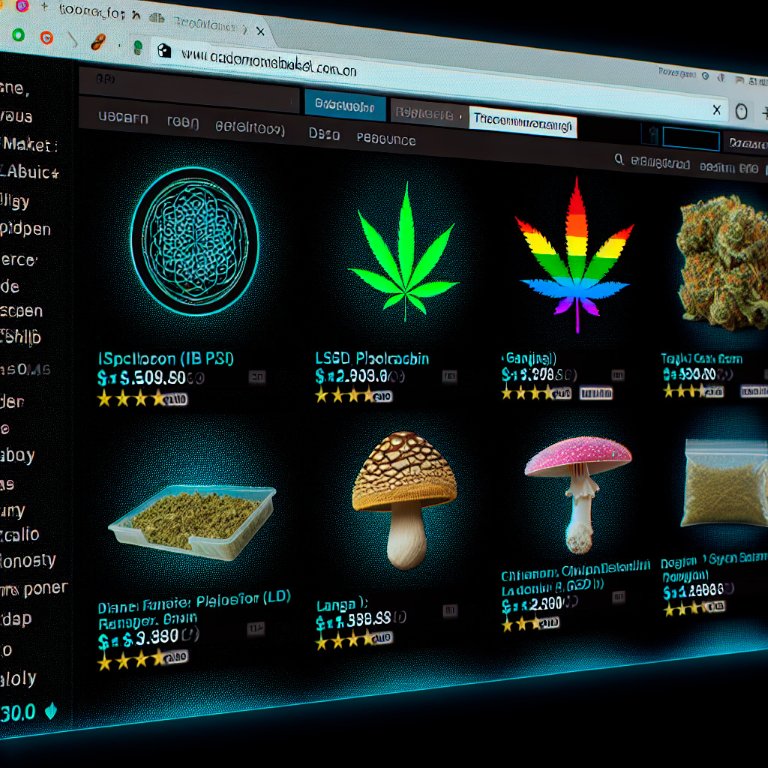
Secure Messaging for Private Darknet Trade
Encrypted messaging is a fundamental component of secure darknet commerce, enabling private negotiation and transaction finalization. This layer of communication operates on the principle of end-to-end encryption, where only the sender and intended recipient can read the message contents. Platforms like Session or Ricochet, which route messages through the Tor network, are standard. This system ensures that discussions about product specifics, shipping details, and pricing remain confidential, separating the communication layer from the marketplace itself for enhanced operational security.
The process typically follows a structured pattern:
- A buyer identifies a product listing and copies the vendor's provided public key or unique contact address.
- This address is used to initiate a secure session through a dedicated encrypted messaging application.
- All subsequent dialogue, including order customization and shipping address exchange, occurs within this encrypted channel.
This infrastructure supports a reliable and discreet trade environment. It allows for direct vendor-client rapport, which can facilitate repeat business and clearer communication of requirements. The assurance of private messaging underpins the entire trust model, making complex logistical discussions for anonymous shopping not only possible but routine and secure.
How Reviews Build Trust for Buying on the Darknet
The vendor review system is the primary mechanism for establishing trust within darknet commerce. Unlike conventional retail, these platforms lack formal dispute resolution bodies, making peer-generated feedback the critical metric for assessing reliability. A vendor's reputation is quantified through a publicly visible score, typically a percentage derived from positive, neutral, and negative ratings left by previous buyers.
This feedback encompasses several key performance indicators:
- The quality and accuracy of the product received versus its listing description.
- The stealth and professionalism of the packaging and shipping process.
- The speed of delivery within expected timeframes.
- The vendor's communication quality and responsiveness.
Prospective buyers analyze this historical data to identify consistent patterns. A vendor with a high score over thousands of transactions presents a lower risk profile than a new vendor with few reviews. The textual feedback provides nuanced context that the numerical score alone cannot, detailing experiences with product potency, shipping methods, and customer service interactions. This transparent, crowd-sourced accountability creates a self-regulating environment where vendors are incentivized to maintain high standards to preserve their business viability, directly enabling more secure and predictable anonymous transactions.
How Escrow Makes Buying on the Darknet Safe and Easy
The escrow system is a fundamental security mechanism on darknet markets, directly enabling trust between anonymous parties. It functions as a neutral third-party service that holds a buyer's cryptocurrency payment until the ordered goods are received and confirmed. This model effectively mitigates the primary risk of direct trade: a vendor failing to ship products after payment is made.
In a standard transaction, the buyer sends funds to a market-controlled escrow address. The vendor sees the payment is secured and then dispatches the order. Upon delivery, the buyer finalizes the transaction, releasing the funds from escrow to the vendor. If a dispute arisesfor instance, if goods are not received or do not match the listingthe buyer can open a support ticket. Market moderators then review communication and evidence before adjudicating the release or refund of the escrowed funds.
This system creates a balanced economic incentive for honest conduct. Vendors with consistent positive feedback build strong reputations, which attracts more business. For buyers, the escrow service provides a clear path for dispute resolution without requiring personal information. The widespread adoption of multisignature (multisig) escrow offers enhanced security. In this model, releasing funds requires two out of three cryptographic signatures: from the buyer, vendor, and market. This prevents a single point of failure, as the market itself cannot unilaterally steal the coins.
Escrow's role extends beyond individual transactions; it is a core component of market integrity. It allows for the organic development of trust through verified performance, transforming anonymous interactions into reliable commercial exchanges. Markets without a robust escrow or those relying solely on finalize-early demands are viewed as higher risk by experienced users. Therefore, the presence and proper implementation of escrow is a critical metric for evaluating the security and viability of any darknet platform.
A Huge Selection of Products on the Darknet
The diversity of goods available on a darknet market is a direct function of its foundational principles: privacy and resilient access. These markets operate on specialized networks, requiring a specific entry point known as a dark market url. This url is not a static address but a dynamic gateway, often changing to maintain operational security and uptime. The procurement of a current and verified dark market url is the first critical step, as it grants entry to the platform where the actual commerce occurs.
Once access is established via a functional url, the range of products becomes visible. The catalog is extensive, with a significant portion dedicated to pharmaceuticals and recreational substances. This includes everything from prescription medications to psychoactive compounds, all traded with a level of discretion not found in conventional channels. The availability of these items is facilitated by the market's structure, which connects international suppliers directly with consumers, bypassing traditional regulatory frameworks. This model provides consumers with autonomy over their personal choices regarding substance use, supported by detailed vendor reviews and product descriptions that inform purchasing decisions.
The ecosystem extends far beyond this category. A typical market offers:
- Digital goods such as software, e-books, and subscription credentials.
- Financial services including currency exchange and fraud-related tools.
- Custom-manufactured identification and documentation.
- Computer security tools and advisory services.
This variety exists because the darknet's architecture creates a space for trade in goods and services that are restricted, controversial, or legally ambiguous in many jurisdictions. The dark market url is therefore more than a simple web address; it is the key to a parallel digital economy. Its reliability determines the stability of the entire shopping experience, from browsing listings to finalizing a secure transaction using cryptocurrency and escrow services. The breadth of available products is a testament to the market's efficiency in meeting specific, and often underserved, consumer demand through a decentralized and anonymous framework.
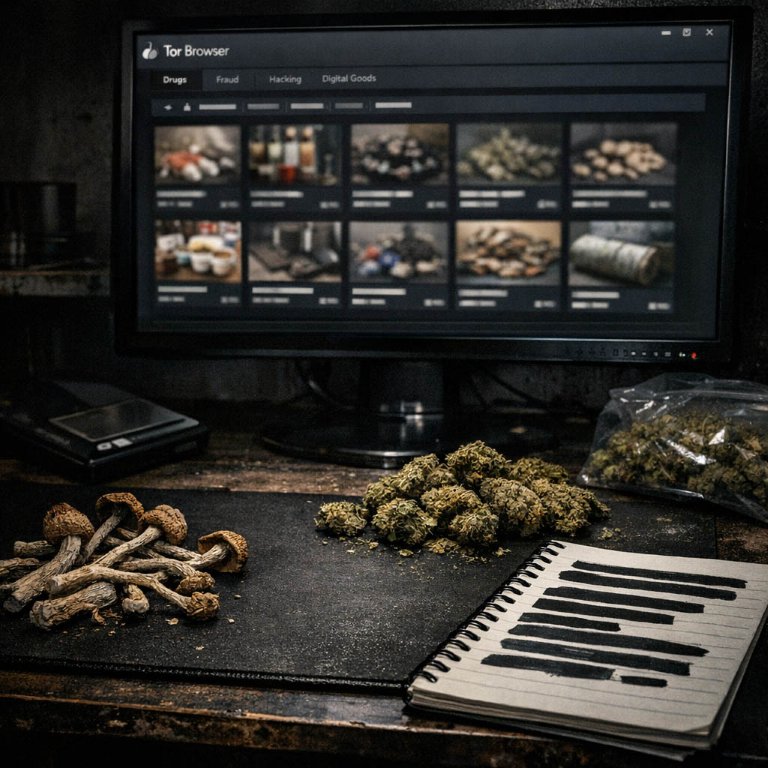
How Darknet Markets Keep Listings Active and Accurate
The operational integrity of a darknet market is directly linked to the freshness and accuracy of its product listings. A stagnant catalog indicates a failing platform, while a dynamic one signals a healthy ecosystem. Listings are maintained through a vendor-driven model where sellers are financially incentivized to keep their offers current. Each product page requires a small, recurring fee, which discourages the abandonment of outdated or sold-out items. This pay-to-list system acts as an automatic filter, ensuring that only active and commercially viable products remain visible to buyers.
Vendors frequently update their listings with new inventory, batch-specific details, and adjusted prices, which is reflected in the listing's timestamp. Markets often feature sorting options such as "newest" or "recently updated," allowing users to easily identify active vendors. Furthermore, the user feedback mechanism provides real-time validation. A listing with recent, positive reviews is inherently verified as fresh and reliable. The combination of economic pressure on vendors and transparent user-generated feedback creates a self-regulating environment where the product database remains relevant and trustworthy for facilitating anonymous trade.
A Simple Model for Secure Commerce on the Darknet
Finding the right darknet access begins with understanding the gateway infrastructure. Specialized software, primarily The Onion Router (Tor), is essential. This software routes internet traffic through a distributed network of relays, encrypting the data multiple times and obscuring the user's original IP address. This creates the foundational layer of anonymity required for accessing .onion websites, which are the storefronts of this ecosystem and cannot be found on the conventional web.
The process for a user involves several technical steps:
- Downloading and installing the Tor Browser from its official source.
- Configuring security settings to their highest level to prevent data leaks.
- Locating a reliable directory or forum that publishes verified dark market URLs, as these addresses change frequently to maintain operational security.
Once access is established, the model's efficiency becomes apparent. These platforms function as streamlined digital marketplaces. They feature vendor storefronts, detailed product listings with specifications, and integrated feedback systems. The economic activity is facilitated by cryptocurrencies like Bitcoin or Monero, with Monero offering enhanced privacy features due to its obfuscated ledger. Transactions are often secured by a multi-signature escrow service, where funds are held by the platform until the buyer confirms receipt of goods, thereby reducing fraud.
This operational framework demonstrates a self-regulating commercial environment. Vendor reputations, built through transparent customer reviews and ratings, provide a mechanism for establishing trust and quality assurance. The constant updating of listings and URLs is not a flaw but a core feature of the model's resilience, ensuring continuity and freshness of available products. The entire system presents a functional paradigm for digital commerce that prioritizes user privacy and transactional security through cryptographic and peer-review mechanisms.